Click the Book Covers Below to Buy the Books

Recommendations



topwater
 The Pope doesn’t call me very often, so when he does, I usually pick up. “Whas’ up, Kimbro?” Thank God he wasn’t speaking Latin this time. “You know I’m gonna be in DC next week, so we’re fishing, right?”
“Yeah, everything’s slow at work what with all the festivities.” I replied. “How about we meet Wednesday morning at Kent Narrows.”
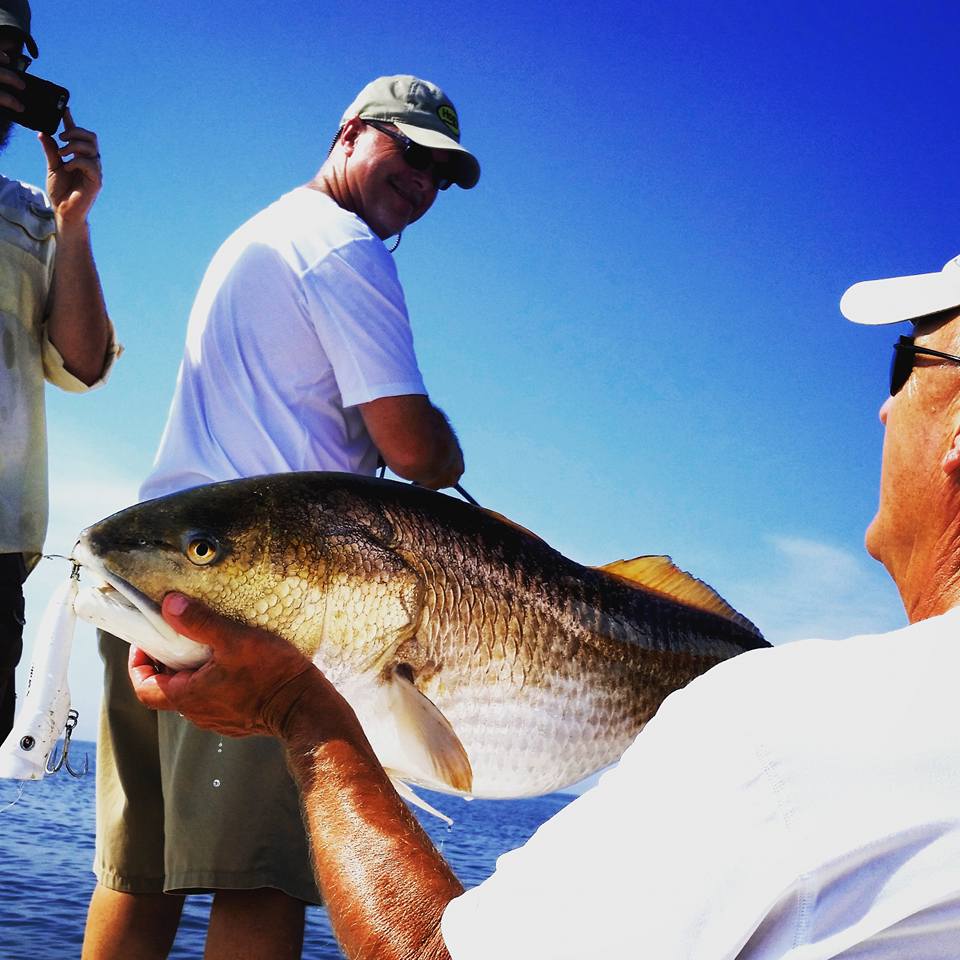
I looked at the wind forecast, and things didn’t look good, but fortunately there wasn’t a breeze stirring when I woke up. I’ve had some problems with the lights on my boat trailer, but somehow they were working fine as I pulled out of my driveway and headed down Route 50. I’d overslept a little and I don’t like being late, so I decided not to stop for gas. When I got to the ramp, the gas gauge was pegged way past full. Read More!
My year in review video:
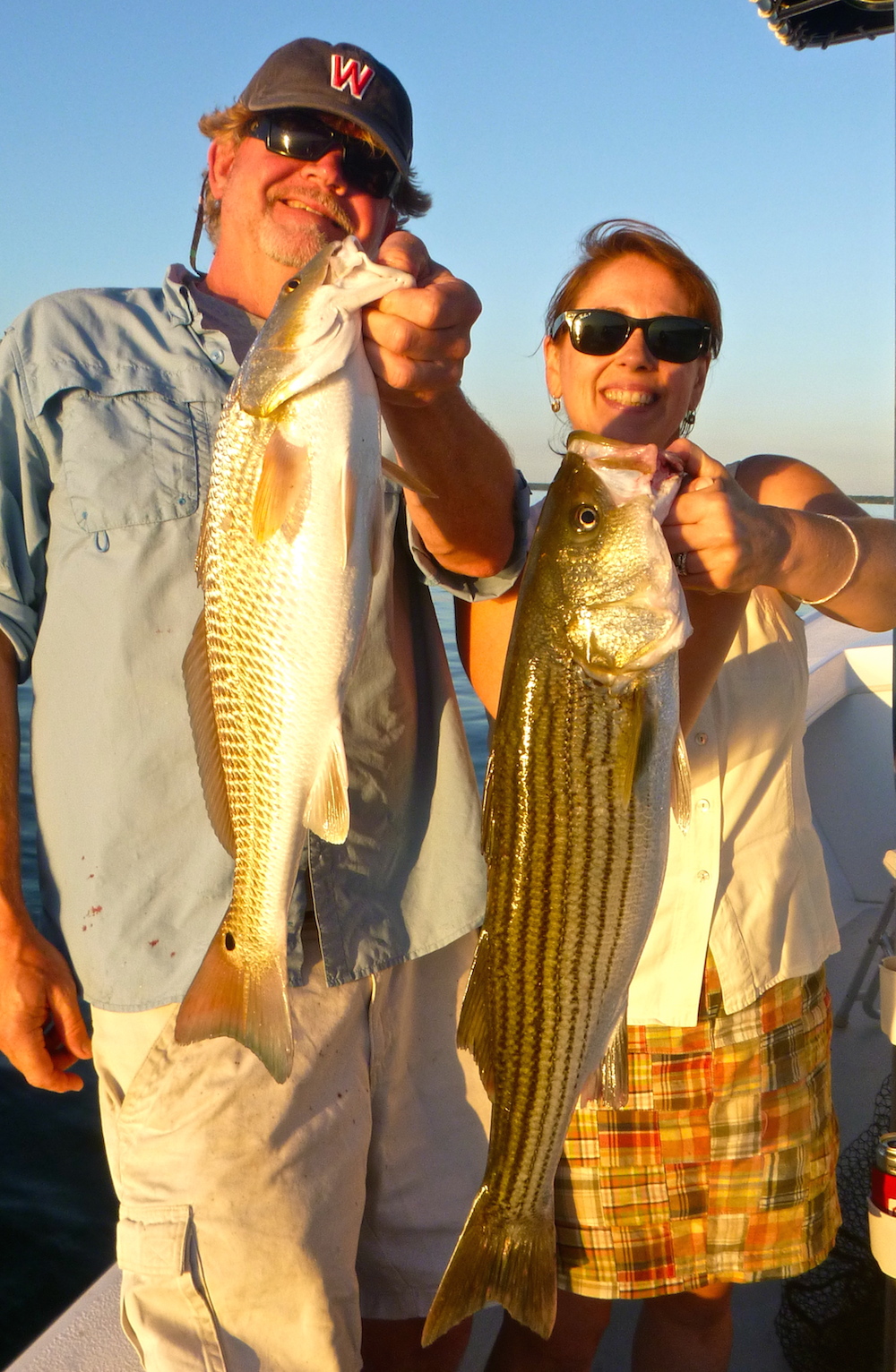
Most of the anglers I know caught rockfish last year. Some of us here in Maryland had a pretty good year. One of the reasons we caught well in 2014 is because we had a lot of fish very close to home. I don’t like to kick off a new year on a down note, but I’m not too excited about our catching last year. Our area is one of the few places in the country where striped bass fishing was decent in 2014. Did we have a good year, or have we lowered our expectations? Read More!
 When I started dating my wife, I spent a considerable amount of time driving back and forth on Interstate 81 between Knoxville, Tennessee and Washington, DC. If you’ve ever driven that stretch of highway, you know that it can be miserable at times due to heavy traffic. I didn’t have to sit through very many traffic jams before I figured out some alternate routes. Highway 11, also known as Lee Highway, was the primary north-south artery along the west side of the Blue Ridge Mountains through the Shenandoah Valley long before the interstate was built. I soon realized that, even on the heaviest traffic days, it’s possible to jump off onto 11 and ride for jam-free miles through some of the most scenic country in the region. Before long, I started picking out segments of Lee Highway to drive along even when traffic wasn’t backed up on the interstate.
 Since I have family and property in Tennessee, I continue to make that trip often and I still plan these panoramic diversions into my travel. Sometimes my ventures off the main road last only for an exit or two, but on some trips, I’ll drive for miles though the beautiful scenery and quaint communities of the Shenandoah. I look at these Lee Highway detours like they are mini-vacations from the usual hustle and bustle of the main thoroughfare. As a result, I’ve made some interesting discoveries. For example, did you know there is a full-size replica of Stonehenge made entirely out of styrofoam near Natural Bridge, Virginia, or that you can still get a delicious burger at the restaurant where Hank Williams ate his last meal in Bristol? Read More!
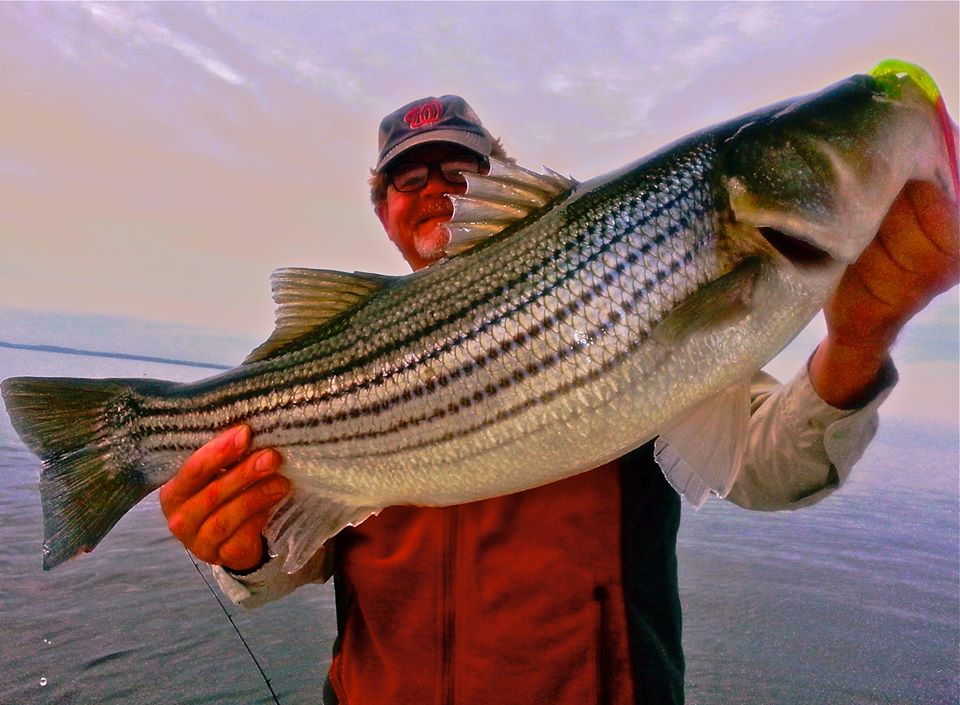 One of the more frequently asked questions I get whether by email or in person is, “How can I consistently catch bigger fish?” I’ve written about moving your game up to the next level before, but since we now have some migratory stripers in the Maryland part of the Chesapeake Bay, it’s worthwhile to address it again. The learning curve gets a little shorter in the fall and it’s a great chance to sharpen your skills. I’ll start by saying there are no hard and fast rules for catching stripers. Over my years of casting for them I feel like I’ve honed my techniques so that, on any given day, I have an edge for catching a trophy. That said, I’m still frequently surprised when a huge striper is caught by some completely different method than I’ve seen before. One thing is for sure, things change. There’s no substitute for experience but anglers who aren’t willing to stay on top of the latest innovations and newest techniques are certain to be left behind. Read More!
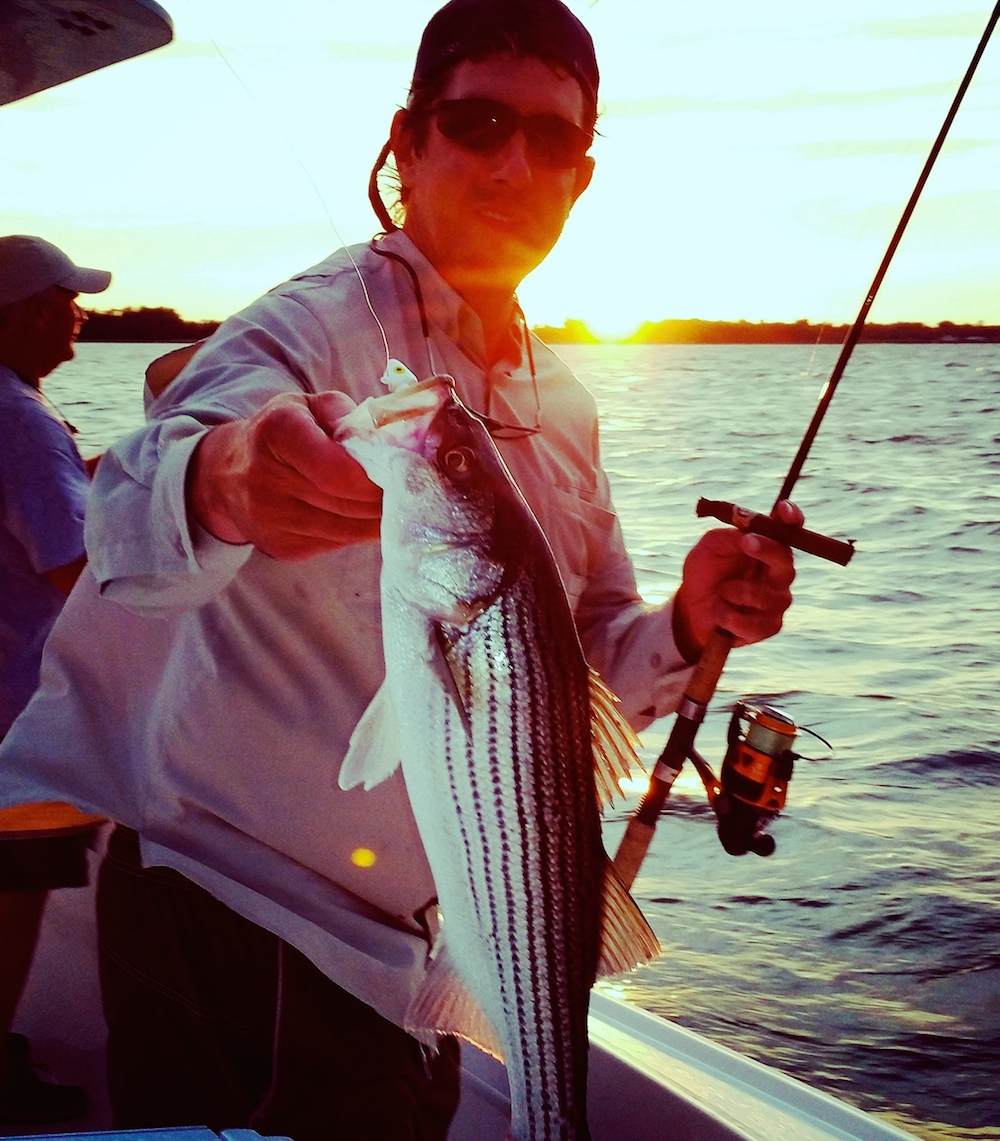
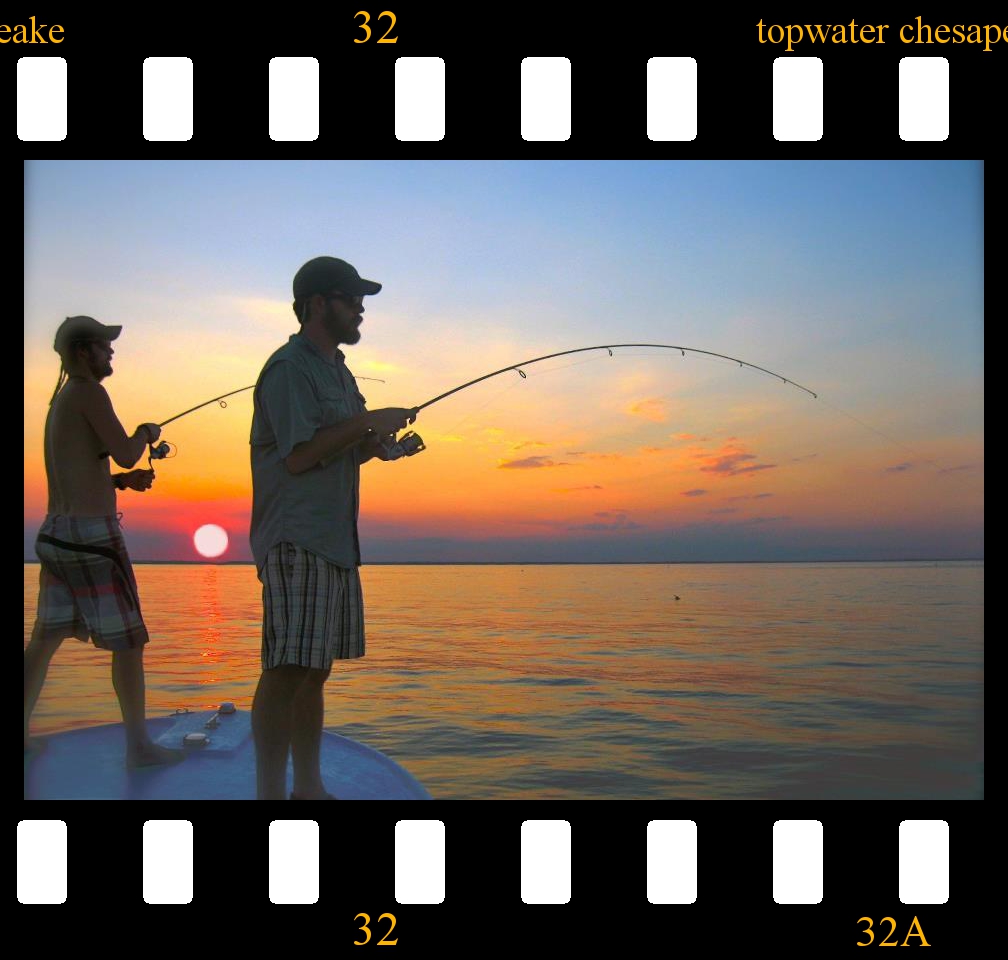 Lights! Action! Intensity! Get those video camera’s rolling. It’s time for adrenaline pumping surface action along the rocky shorelines and the grassy points of the Chesapeake Bay. The top-water bite is on! I’ve written a lot about where and when to cast top-water lures, but I haven’t said too much about choosing a good fishing rod for surface feeding stripers. Let’s fix that. Here are six tips for choosing the right top-water rod.
1. Spin It To Win It – Since it’s often windy on the Bay and surface lures are light and not very aerodynamic, I prefer a spinning outfit for top-water casting. There’s a trade off because casting rods are more accurate, but there’s nothing more frustrating than having to stop to pick out a backlash, especially while you’re drifting quickly past fish-holding cover. If need be, you can increase your accuracy with a spinning outfit by adding micro-guides, but standard guides work fine. Reduce your margin for error and go with the sissy stick. Read More!
