Click the Book Covers Below to Buy the Books

Recommendations




winter fishing
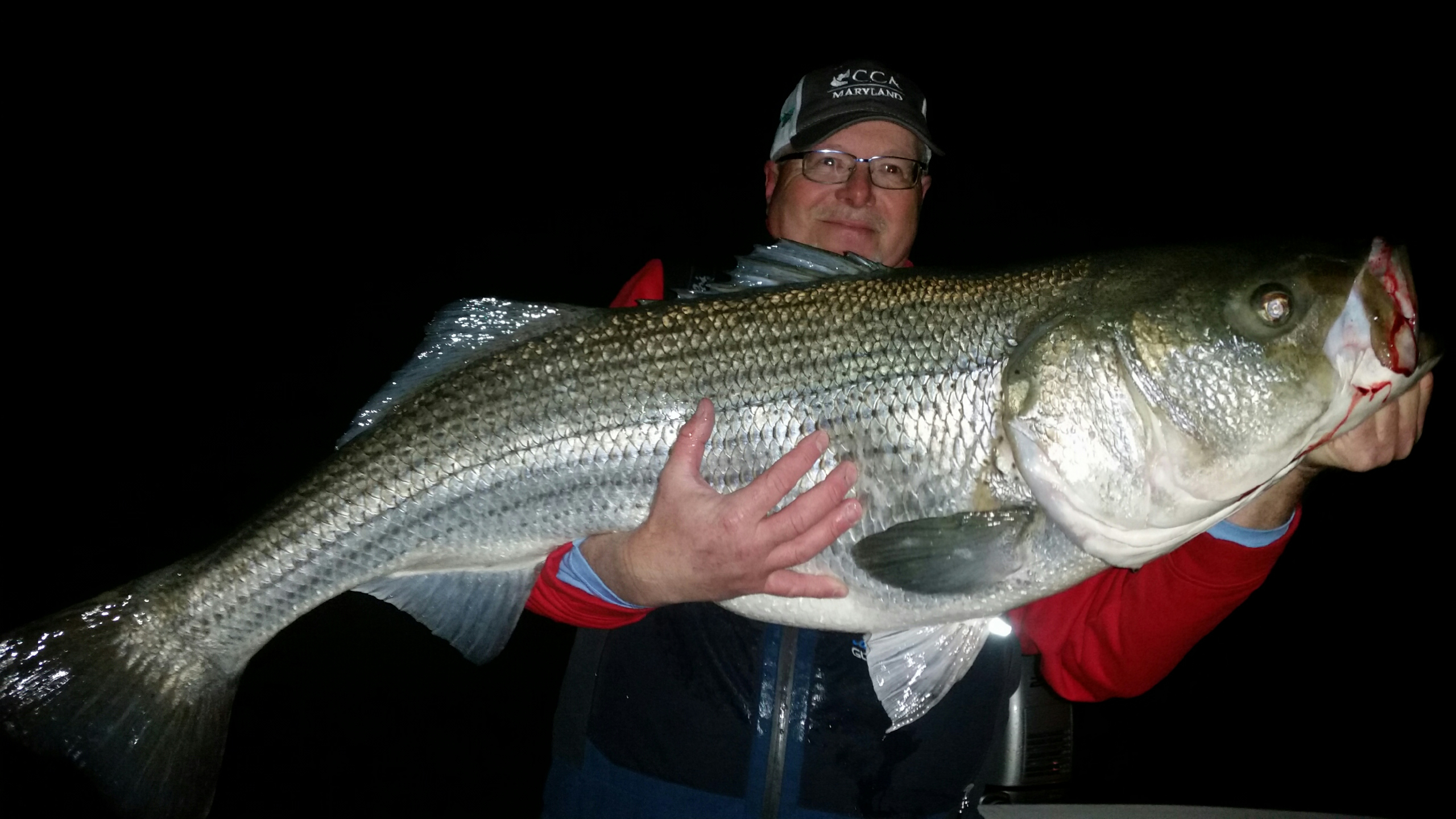 “It’s the worst winter ever.” Those words might sound surprising coming from Jamie Clough, a fisherman who has caught more forty-inch-plus rockfish in the last three months than most people will catch in a lifetime, but he’s right. It’s been tough. I’m on record for predicting that 2016 will be the best year in recent history for light-tackle striper casting on the Chesapeake Bay. I’m not taking it back, but after the first three months, I feel like I have some explaining to do.
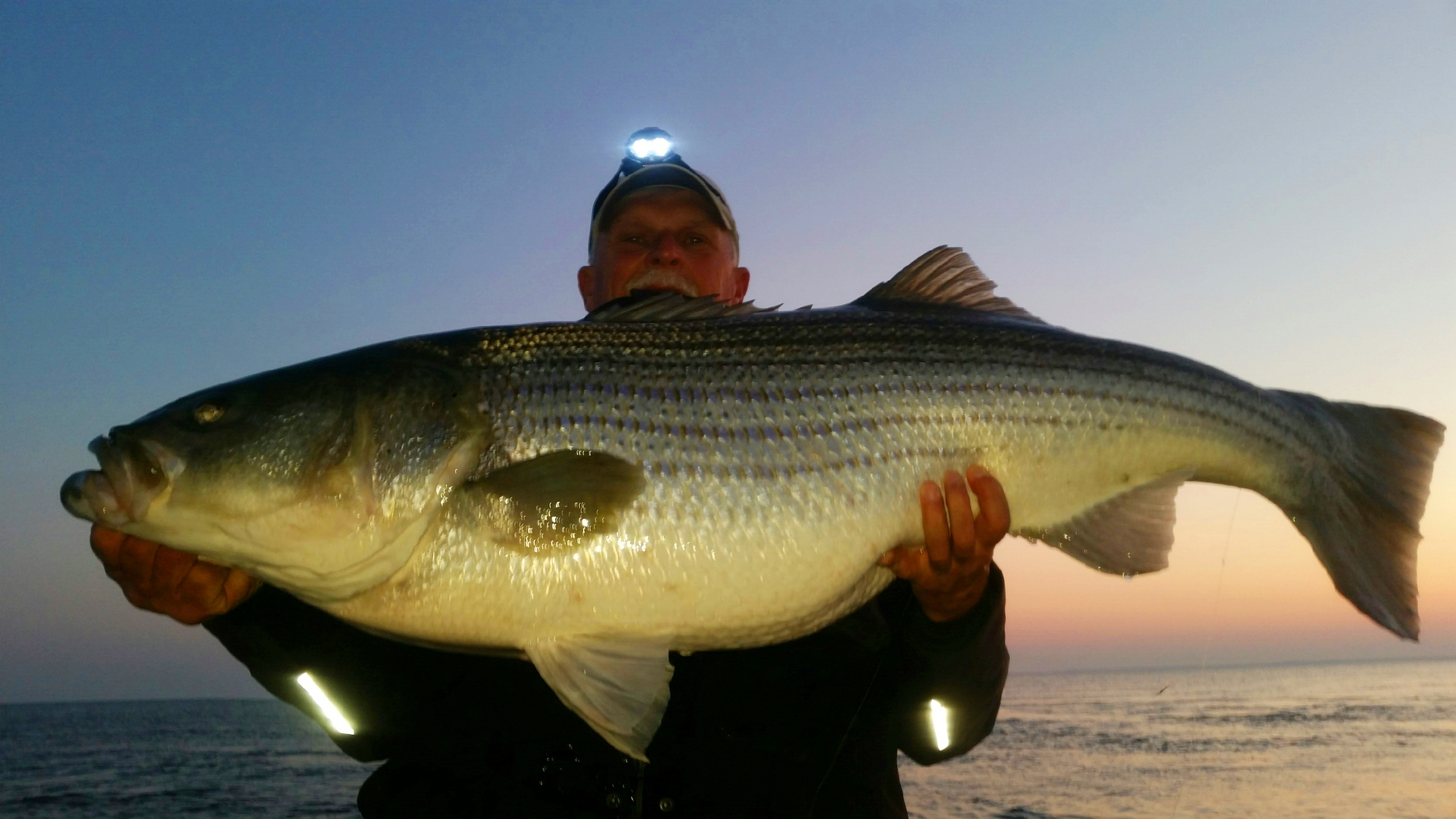 In past years, January, February, and March have been wide-open for fishing in the warm water discharges of the Patapsco and Potomac Rivers and around the power plants of the Mid-Bay. In February 2014, my fishing partners and I enjoyed the best day I’ve ever heard of, going forty over forty. Yes, that’s forty huge stripers over forty-inches long, all caught in one morning. The fishing was so good we were trying to glue two ten-inch Bass Kandy Delights together so we could pull out the biggest of the big fish. In years like that, you can make a lot of mistakes and still catch fish. While I’ve seen some good days since then, nothing like that happened this year. To catch big fish this winter, we had to pull out all the stops. Read More!
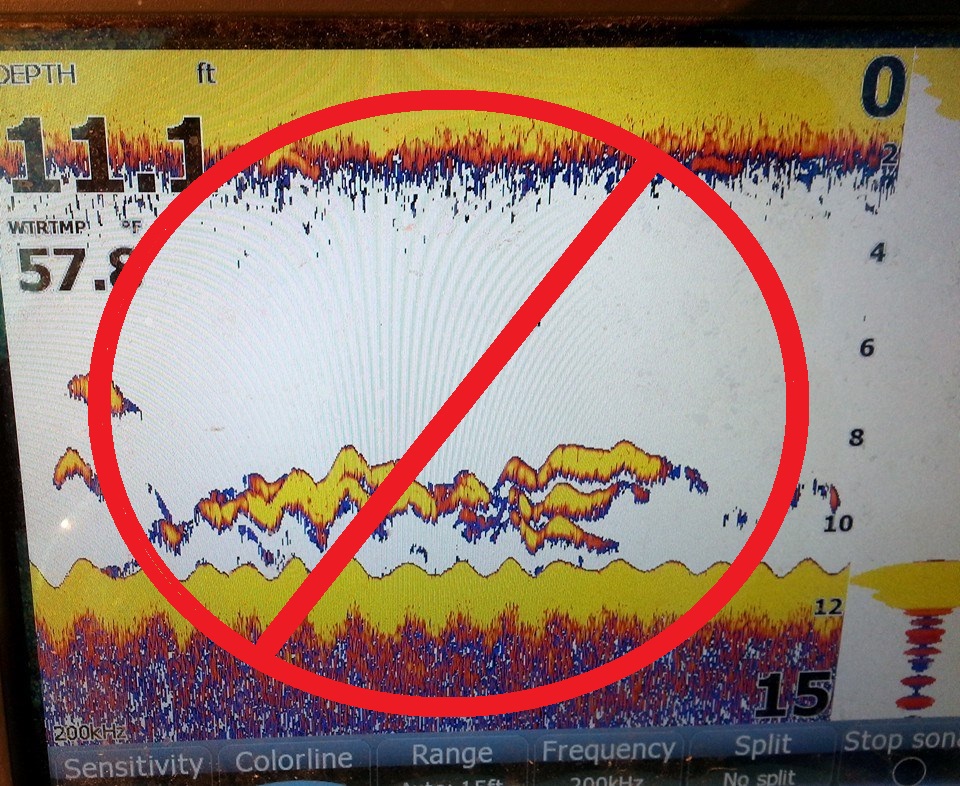 Have you ever belly-crawled through the tall grass beside a mountain stream hoping to sneak up on your favorite fishing spot? Most freshwater anglers understand how important it is to be quiet and sneaky but I’ve noticed that some Chesapeake Bay fishermen don’t fully appreciate the concept of stealth. It won’t be long until the weather breaks and fishermen who are looking to overcome cabin-fever will pack into some of the better-known fishing spots like the warm water discharges, the Susquehanna Flats, and the mouths of Upper Bay rivers. When fish are thick and hungry, you can stomp beer cans in the bottom of your boat and still catch them, but when they’re finicky, stealth becomes a lot more important.
Spring on the Chesapeake Bay is the best time of year to catch the fish of a lifetime, but don’t forget that big fish get that way by being smart. While you might luck into a forty-inch-plus fish once in a while no matter what, your chances increase dramatically when you improve your noise discipline. Here are some tips and tactics that are guaranteed to increase your odds of catching trophy stripers on light tackle: Read More!
 Jamie Clough, Rich Jenkins, and I joined Phil Kirchner for a run south out of Hoopersville recently. The weather hasn’t been great lately, but we’ve been catching some nice fish down around the mouth of the Potomac River. The forecast of light winds and snow flurries had us looking forward to a nice smooth ride and the opportunity to find lots of fish. Neither of those things happened! Instead, the Delmarva Pennisula and Southern Maryland were hit with one to three inches of snow and twenty-mile-an-hour winds gusting to thirty. Let’s just say the ride back was a little wet and sporty. Click the photo for the video and you’ll see what I mean.
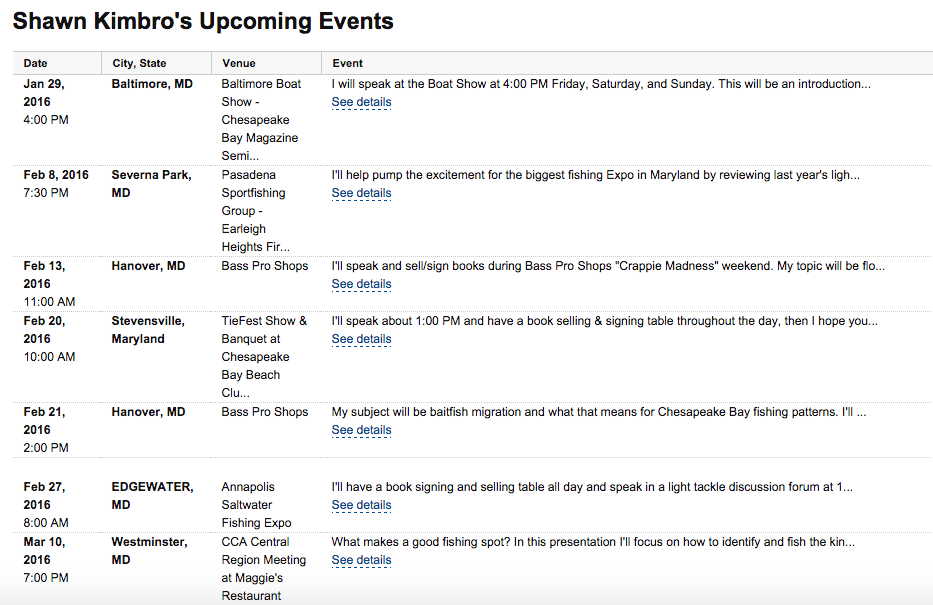
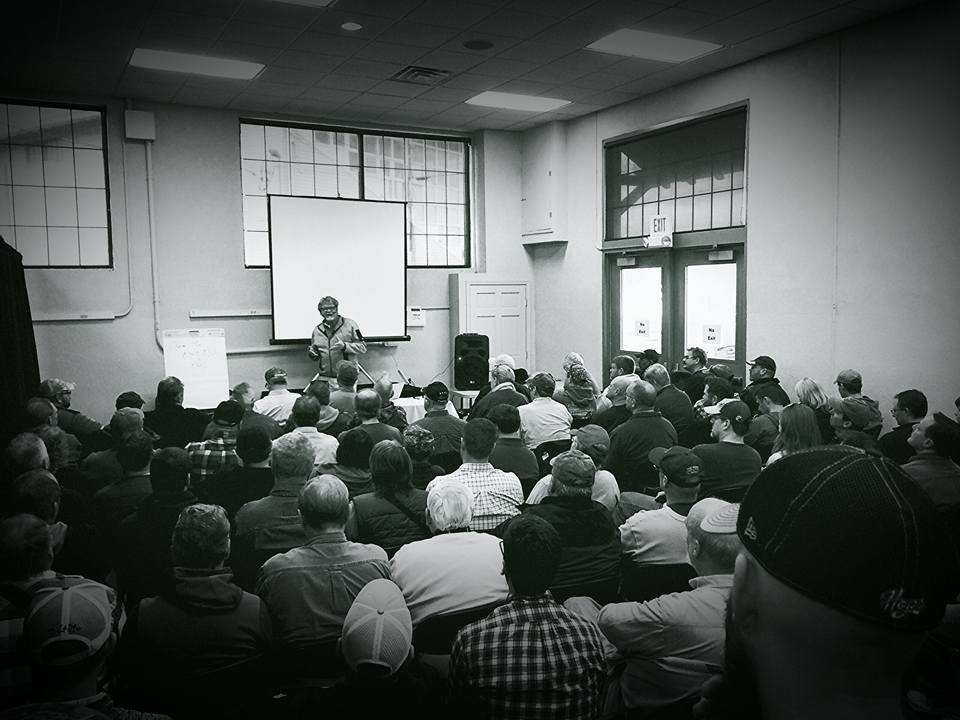 Below is my speaking schedule for the next few months. We were happy to see one of the biggest audiences ever for my talk last weekend at the Frederick Fishing Expo. There are several more coming up so I hope you can make it. Most of my talks this winter will summarize my top-ten tips for trophy striper fishing. I’ll also break down float-and-fly crappie fishing at the Bass Pro Shops talk and the following weekend I’ll explain bait migrations in the Chesapeake and what that means for light tackle anglers. Also, I’m stoked to be on the same speaking schedule as Lefty Kreh and Bob Popovics at this years Fly & Light Tackle Fest. This year it’s at the Chesapeake Bay Beach Club just beneath the Bay Bridge on Kent Island. There’s more information about these fun events on my Amazon Author’s Page and I’ll keep you posted here and on Facebook and Twitter. I hope to see you at any or all or better yet, out there on the water!
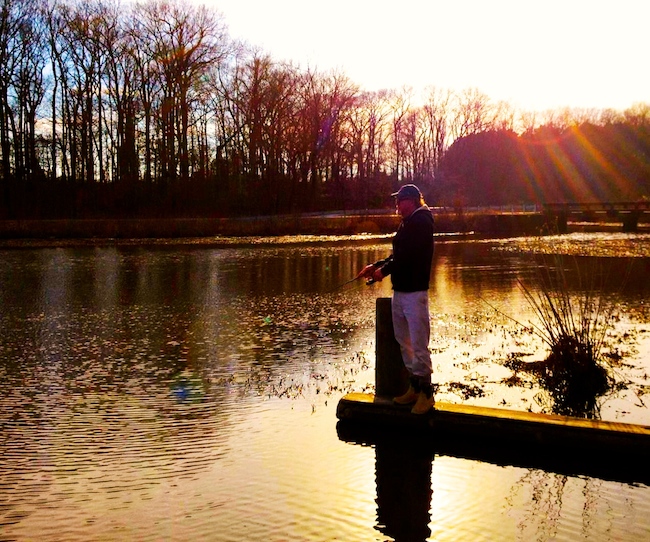 I am haunted by waters. – Norman Maclean
Why do you fish?
Recently, I put that question to some of the best fishermen I know, anglers with the right stuff who are continually successful. Their responses might surprise you. It isn’t a love of nature, the quest for solitude, or the thrill of the fight that drives them. Instead, they look at me with a what-kind-of-crazy-question-is-that glare and answer simply, BECAUSE I HAVE TO.
I get it. This winter has been hard on Chesapeake Bay anglers. Because of bad weather, opportunities to fish have been limited. It’s frustrating to the point of resentment. Take a look at any online discussion forum in the winter and you’ll see that some guys (and gals) take their frustrations out on their fellow anglers. Here’s what I think this frustration might look like in the format of a popular television commercial:
When you can’t fish, you get angry. When you get angry, you growl at people and animals. When you growl at animals, they growl back and you get chased by a bear. When you get chased by a bear, it shreds your pants and you hide naked in your neighbor’s garage. When you hide naked in your neighbor’s garage, her husband comes home and shoots holes in your boat. Don’t get holes shot in your boat. Go fishing. Read More!
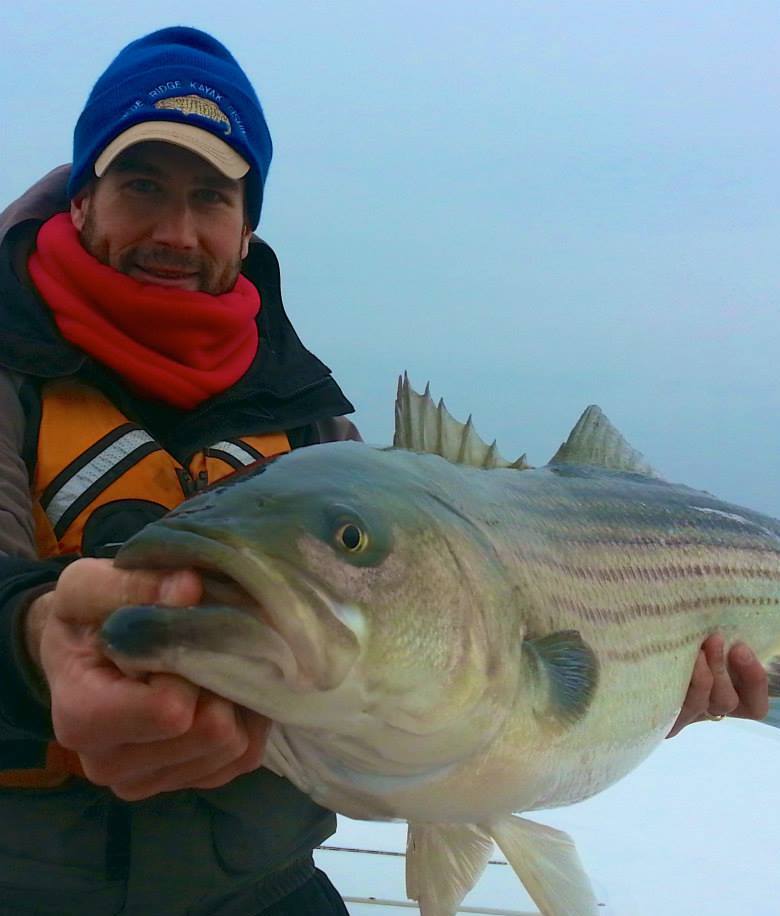 Being a good fisherman has always been about being smart enough, and humble enough to learn when given a chance. -Anthony Bourdain
Actually, Bourdain never said that. Well, he did, but it was about cooking, not fishing. Some of the best fishermen I know like to cook. I guess that’s because there are a lot of similarities. I’ve recently had the opportunity to spend time with some very talented up-and-coming striper fishermen. What impresses me most is their willingness to open their minds and learn. As a result, they’re enjoying some of the best fishing experiences of their lives. That willingness to learn is a trait I’m including in a book I’m working on called, The Right Stuff.
According to the website Cookingschools.com, there are ten top qualities of a great culinary professional. As I read through them, I found it interesting how each of those qualities apply just as easily to great fishing. I hope they won’t mind if I parody their list a little by substituting fishing terms. Take a look to see if you have the recipe for a quality fishing experience. The few words I substituted are in italics.
Creativity: A great angler must be very creative and always willing to try something new. Creativity inspires a lure’s presentation, which is very important to the overall fishing experience.
Passion: A great angler has a tremendous passion for fish and fishing. They enjoy the process of selecting gear, preparing for trips, and creating lures. Read More!
 “Are we still going?”
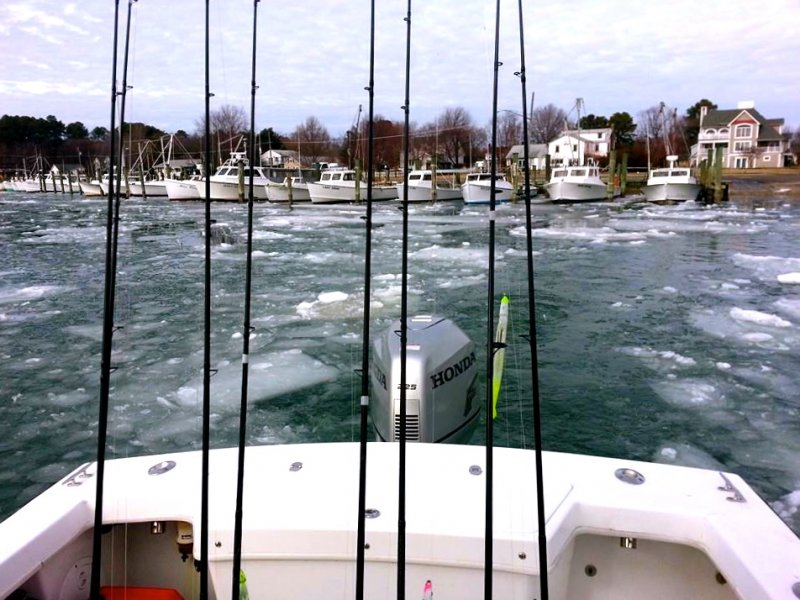
That was the text message I got from my fishing partner Rich early on Super Bowl Sunday morning. It was a beautiful winter day with high temperatures expected to be in the 40s. Winds were light, skies were clear, and a new moon was pushing swift tides up the Chesapeake Bay. There was no reason to postpone our usual Sunday afternoon fishing trip, right? Well, no reason except for the 75 miles of ice clogging our waters.
It’s been a cold winter so far on the Chesapeake Bay. The Bay has frozen all the way across at the Bay Bridge on a couple of mornings and the Eastern shore has been iced in all the way up from Taylors Island to the Susquehanna Flats. The weekend warm-up had loosened up some areas, but almost all the Eastern Shore ramps were still packed in solid.
“Let’s try,” I shot back. We were suffering from serious cases of cabin fever and really wanted to go fishing. My next message went to the third member of our Sunday fishing trio, Jamie. “Any chance you can find an open ramp?” I typed. Both Jamie and Rich grew up on the Shore, and they have plenty of friends and relatives around the water. I imagined the local cellular networks were overwhelmed for a while as they called everyone they knew looking for a place to launch. A whistle from my phone alerted me to a possible plan. Jamie was forwarding pictures of an ice-free Knapps Narrows from his buddy Brian who lives on Tilghman Island. Jamie’s follow up text read, “My dad says Tilghman is always open. Those boys gotta fish.”
